Neurodiversity-Affirming Therapy: Supporting Different Ways of Thinking & Communicating
Around National Reconciliation Week, conversations about respect, listening and inclusion feel especially important. In healthcare, education and therapy, these values are not abstract ideas. They shape how children, teenagers and families experience support.
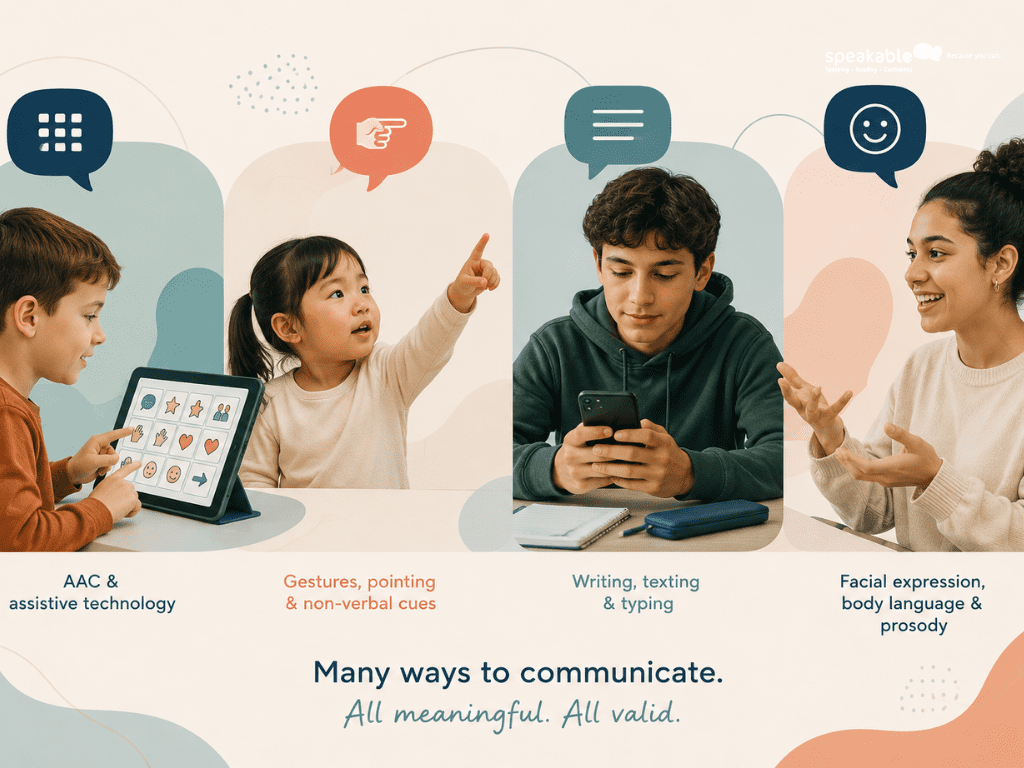
For many neurodivergent children and teens, communication can look different from what adults expect. Some children use spoken language. Some use gestures, visuals, AAC, scripts, echolalia, movement, facial expression or pauses. Some need extra time to process. Some communicate best when they feel regulated, safe and understood.
A neurodiversity-affirming approach recognises that communication differences are not automatically problems to be fixed. They are part of how a person interacts with the world. The role of therapy is to understand those differences, reduce barriers and build meaningful communication in ways that respect the child or young person’s identity, preferences and goals.
Speech Pathology Australia supports a neurodiversity-affirming approach to speech pathology practice, including respect for each person’s personality, passions and preferences, and support that promotes choice, rights and participation.
What does neurodiversity-affirming therapy mean?
Neurodiversity-affirming therapy starts with a simple but important shift: the child or teen is not treated as “wrong” for communicating differently.
Instead of asking, “How do we make this child communicate in a more typical way?”, a neurodiversity-affirming clinician asks:
How does this person already communicate?
What helps them feel safe, understood and connected?
What barriers are getting in the way?
What communication goals are meaningful for the child, teen and family?
What supports would make everyday participation easier?
This does not mean therapy has no goals. It means goals are chosen carefully, respectfully and functionally. Therapy may still support language development, speech clarity, social communication, emotional regulation, literacy, self-advocacy or AAC use. The difference is that the goal is not to erase individuality. The goal is to support communication that improves connection, autonomy and participation.
The Autism CRC’s national guideline for supporting autistic children highlights principles such as child and family-centred support, individualised goals, strengths-focused practice, cultural safety, evidence-based decision-making and respect for children’s assent.
Different communication styles are valid
Communication is broader than speech.
A child might communicate by pulling an adult towards an object, using a communication device, repeating a phrase from a favourite show, lining up toys to show an idea, asking many questions, avoiding eye contact while listening carefully, or needing silence before responding.
A teenager might communicate best through text, written notes, humour, special interests, reduced verbal demands, visual structure or direct language. Some teens may appear “quiet” or “disengaged” when they are actually processing, overwhelmed or unsure how to respond in the moment.
These differences matter clinically. When adults misread a communication style, a child can be seen as rude, difficult, non-compliant or uninterested. A more respectful approach looks beneath the surface and asks what the behaviour may be communicating.
Raising Children Network notes that when children understand more about how neurodivergent children communicate and play, it can encourage respectful interaction “on equal terms” and reduce the expectation that neurodivergent children should be the ones to change.
Respecting communication preferences
One key part of neurodiversity-affirming therapy is respecting preferences.
For some children and teens, this may include:
using AAC without pressure to “speak instead”
allowing extra processing time
reducing unnecessary eye-contact demands
supporting communication through interests
offering visual choices
checking consent before physical prompts or activities
making therapy predictable
adapting the environment when sensory needs affect communication
This is especially important for children and teens who have learned to mask their needs. A child may copy social behaviours, stay quiet, force eye contact or appear compliant, while feeling stressed or exhausted internally. Therapy should not reward a child simply for looking more typical. It should help them communicate with more confidence, safety and authenticity.
Speech Pathology Australia’s position statement affirms the right of autistic people to communicate for reasons and in a manner of their choosing, and highlights the importance of autonomy, preference and effective communication modes.
Strengths-based does not mean ignoring challenges
A common misunderstanding is that neurodiversity-affirming practice means “doing nothing” or avoiding intervention.
That is not accurate.
Children and teens may still need support with communication, learning, friendships, emotional expression, self-advocacy, speech sounds, language comprehension, literacy or participation at school. Families may still need guidance, strategies and professional input.
A strengths-based approach simply means support is not built around deficit alone. It recognises what the child can already do, what motivates them, what matters to them and what helps them participate.
For example, a child who loves trains might use that interest to build vocabulary, sequencing, conversation, problem-solving or storytelling. A teenager who communicates more easily through writing might use written planning to prepare for conversations with teachers, peers or employers. A child who uses echolalia may be supported to develop flexible, meaningful language without dismissing their scripts as meaningless.
Good therapy works with the child’s profile, not against it.
What this looks like in speech pathology
In practice, neurodiversity-affirming speech therapy may include:
supporting functional communication across home, school and community
helping families understand the child’s communication signals
building language through interests and everyday routines
supporting AAC as a valid communication system
teaching self-advocacy, such as asking for help, breaks or clarification
working with schools to reduce communication barriers
supporting social understanding without forcing children to perform social behaviours that feel uncomfortable or unsafe
helping teenagers communicate their needs in ways that support independence
The focus is not on making every child communicate the same way. The focus is on helping each child or young person communicate more effectively, comfortably and meaningfully in their own life.
Speech Pathology Australia also notes that speech pathologists can support communication goals, AAC, participation and environmental barriers, while working collaboratively with families and other professionals.
Why this matters for children and teens
Children and teens notice how adults talk about them.
When therapy focuses only on what is “wrong”, a young person may begin to feel that their natural way of thinking, moving, playing or communicating is unacceptable. Over time, this can affect confidence, participation and willingness to engage.
When support is respectful, the message changes.
You are understood.
Your communication matters.
Your preferences matter.
You can learn skills without losing yourself.
For teenagers, this can be particularly important. Adolescence is a stage where identity, belonging and independence become more visible. Neurodiversity-affirming support can help teens understand their communication profile, advocate for their needs and participate in school, friendships and community life with greater confidence.
Supporting families with clarity and respect
Parents often come to therapy because they want to help their child. They may be worried about communication, school readiness, friendships, behaviour or future independence.
A neurodiversity-affirming approach does not dismiss those concerns. It helps families understand them through a more respectful and accurate lens.
Instead of asking parents to make their child fit a narrow idea of communication, therapy can help families notice what their child is already expressing, identify what support is genuinely needed and create practical strategies for daily life.
This may include small but powerful changes: slowing down, offering choices, using visuals, following the child’s lead, reducing pressure, supporting regulation, accepting AAC, or giving a teen more control over how they participate in sessions.
A more respectful way forward
Different communication styles deserve respect.
Children and teens do not need support that asks them to become someone else. They need support that recognises who they are, builds on their strengths and helps them access the communication tools, environments and relationships they need.
At Speakable, neurodiversity-affirming therapy means listening first. It means working with children, teens and families in ways that are practical, evidence-informed and respectful of individual communication styles.
Support should never be about making a child “more typical”. It should be about helping them feel understood, connected and able to participate in ways that matter to them.
Follow along for more neurodiversity-affirming support and practical guidance.