🧠 Why Smart Teens Still Struggle: Executive Function & Independence
Understanding why intelligence and independence don’t always develop at the same pace.
💬 “They’re So Smart — Why Is This Still So Hard?”
Many parents describe the same experience.
Their teenager is bright, insightful, and capable of discussing complex ideas.
Yet somehow:
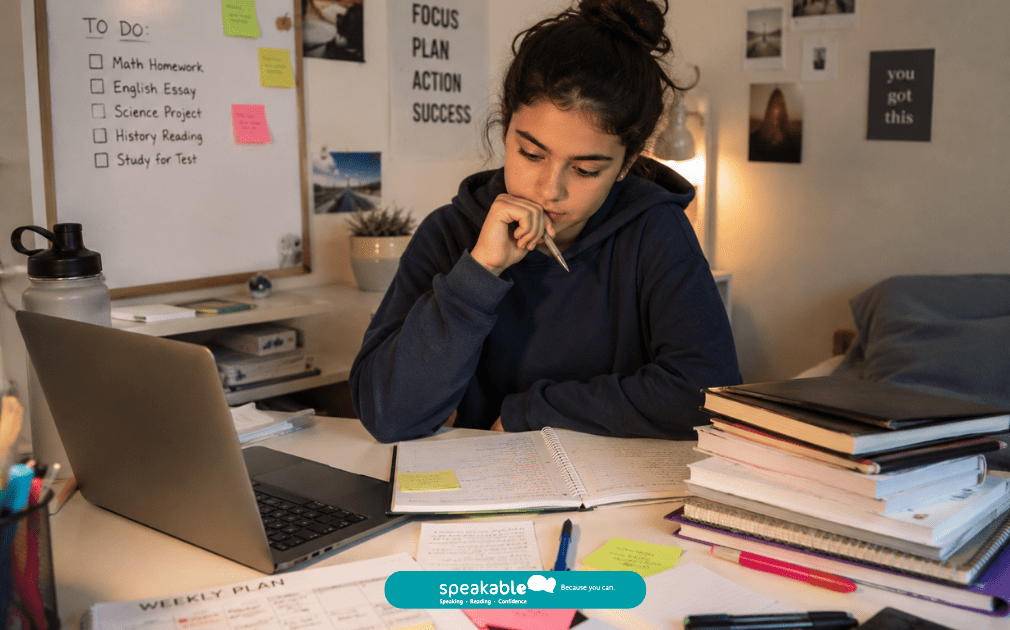
- Homework is left until the last minute
- Assignments are forgotten
- School bags are disorganised
- Instructions need repeating
- Everyday responsibilities feel surprisingly difficult
It can be confusing.
If a teenager is intelligent, shouldn’t independence come naturally?
Not necessarily.
Because independence relies on more than intelligence.
It relies heavily on executive functioning skills.
🧠 What Is Executive Functioning?
Executive functioning refers to the mental skills that help us plan, organise, remember, regulate, and complete tasks.
These skills help teenagers:
- Manage time
- Prioritise tasks
- Start and finish work
- Adapt when plans change
- Monitor their own progress
- Solve problems independently
Think of executive functioning as the brain’s management system.
While intelligence helps us understand information, executive functioning helps us use that information effectively.
🔬 What research shows
Research consistently shows that executive functioning plays an important role in academic success, self-management, and independence during adolescence.
As the teenage brain continues developing, executive skills are still maturing well into early adulthood.
💬 In simple terms
A teenager can be very smart and still struggle to:
- Remember deadlines
- Keep track of belongings
- Start tasks independently
- Manage competing priorities
This isn’t a lack of ability.
It’s often a reflection of developing executive function skills.

🧩 What Executive Function Challenges Can Look Like
Executive functioning difficulties often appear in everyday situations.
| What you might see | What it may reflect |
|---|---|
| Missing assignment deadlines | Planning and time management |
| Frequently losing items | Organisation skills |
| Difficulty starting tasks | Task initiation |
| Feeling overwhelmed by large projects | Planning and sequencing |
| Emotional reactions when things go wrong | Self-regulation challenges |
💛 Important reminder:
These behaviours are not usually signs of laziness.
Many teenagers are working hard to manage demands that require executive skills still under development.
🌱 Why Independence Doesn’t Happen Overnight
Parents often hear messages like:
“By high school they should be managing this themselves.”
But independence develops gradually.
Before teenagers can independently manage responsibilities, they often need support learning how to:
- Break tasks into steps
- Estimate time accurately
- Prioritise responsibilities
- Problem-solve when things don’t go to plan
- Reflect on what is and isn’t working
These are learned skills.
Not personality traits.
🏡 How Parents Can Support Executive Function Development
Supporting executive functioning doesn’t mean doing everything for a teenager.
It means helping them build systems and strategies they can eventually use independently.
Helpful approaches include:
Use external supports
Calendars, planners, visual reminders, and checklists reduce memory demands.
Break large tasks into smaller steps
Big projects often feel overwhelming when viewed as one task.
Focus on problem-solving
Instead of:
“Why didn’t you do it?”
Try:
“What got in the way, and what might help next time?”
Build routines
Consistent routines reduce the number of decisions a teenager has to make each day.
Support before stepping back
Independence grows best when support is gradually reduced, not removed all at once.

💛 The Goal Is Not Perfection
Executive functioning skills continue developing throughout adolescence.
The goal isn’t to create a perfectly organised teenager.
The goal is to help young people develop the tools they need to:
- Manage responsibilities
- Solve problems
- Adapt to challenges
- Build confidence in their own abilities
Every small success contributes to greater independence over time.
🌱 Final Thoughts
Smart teenagers sometimes struggle not because they lack ability, but because intelligence and executive functioning are different skills.
A teenager can understand complex ideas and still need support with planning, organisation, and self-management.
When we recognise this difference, we can move away from frustration and toward practical support.
Because independence isn’t something teenagers simply have.
It’s something they gradually build.