
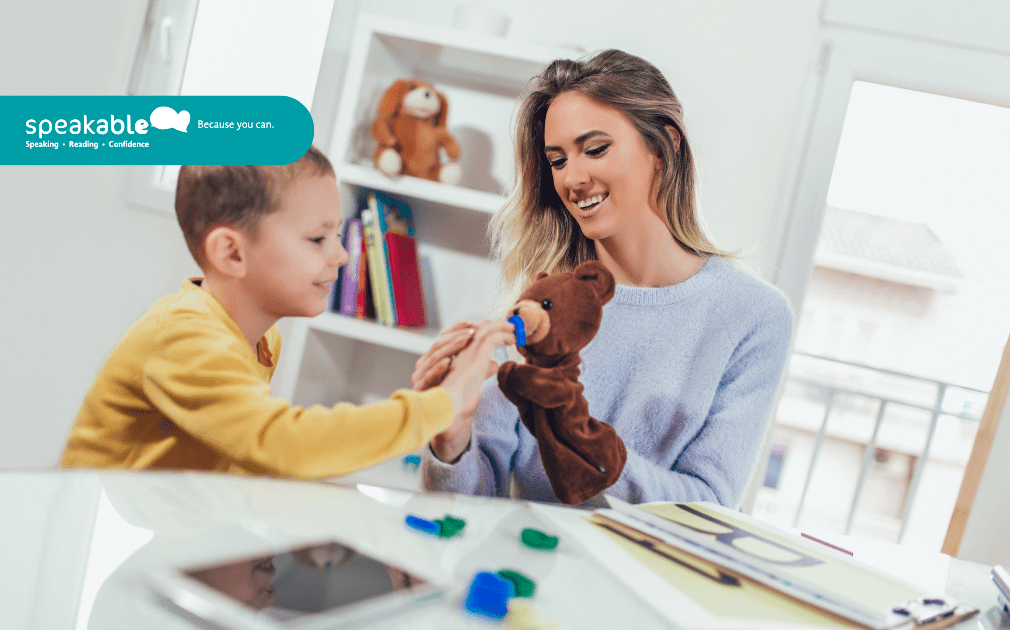
How Speech Pathologists Support Expressive Language
Helping children turn thoughts into words with confidence.
💬 When Children Know — But Can’t Say
Some children understand much more than they can express.
They might:
- Point instead of speaking
- Use very few words
- Get stuck mid-sentence
- Become frustrated when trying to communicate
Parents often say:
“I know they understand… they just can’t get the words out.”
This is what we call expressive language difficulty.
🧠 What Is Expressive Language?
Expressive language is how children share their thoughts, ideas, and feelings.
It includes:
- Using words
- Building sentences
- Explaining ideas
- Asking questions
- Telling stories
When expressive language is challenging, communication can feel effortful — even when understanding is strong.
🔬 What research shows
Research in language development shows that expressive language skills are closely linked to vocabulary growth, sentence structure, and later academic success.
Children need opportunities to practise using language — not just hearing it.
💬 In simple terms
It’s not enough for children to understand words.
They also need support to use them.
And that takes time, practice, and the right kind of support.
🧩 What Expressive Language Difficulties Can Look Like
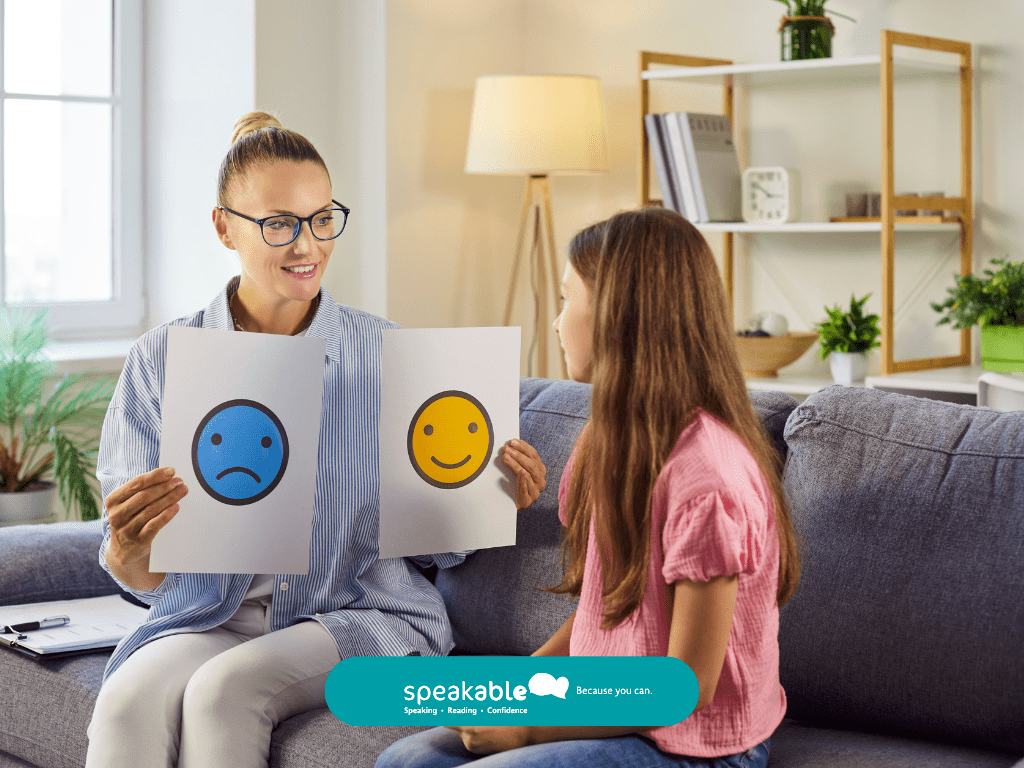
These challenges can show up in different ways:
| What you might see | What it may reflect |
|---|---|
| Limited vocabulary | Difficulty retrieving words |
| Short or incomplete sentences | Sentence structure developing |
| Pauses or “um…” frequently | Word-finding difficulty |
| Gets frustrated when speaking | Effortful communication |
| Avoids talking in groups | Low confidence in expression |
💛 Important reminder:
This is not about intelligence.
Many children know exactly what they want to say — they just need support expressing it.
🏡 How Speech Pathologists Support Expressive Language
Speech pathologists don’t just “teach words.”
They support the whole process of communication.
This may include:
Expanding vocabulary
Helping children learn and use meaningful, functional words.
Building sentence structure
Supporting children to move from single words to longer, clearer sentences.
Supporting word retrieval
Helping children access the words they already know more easily.
Using visual supports
Pictures, gestures, and cues can reduce pressure and support expression.
Creating real communication opportunities
Language grows best in meaningful, everyday interactions.
🌱 Supporting Expressive Language at Home
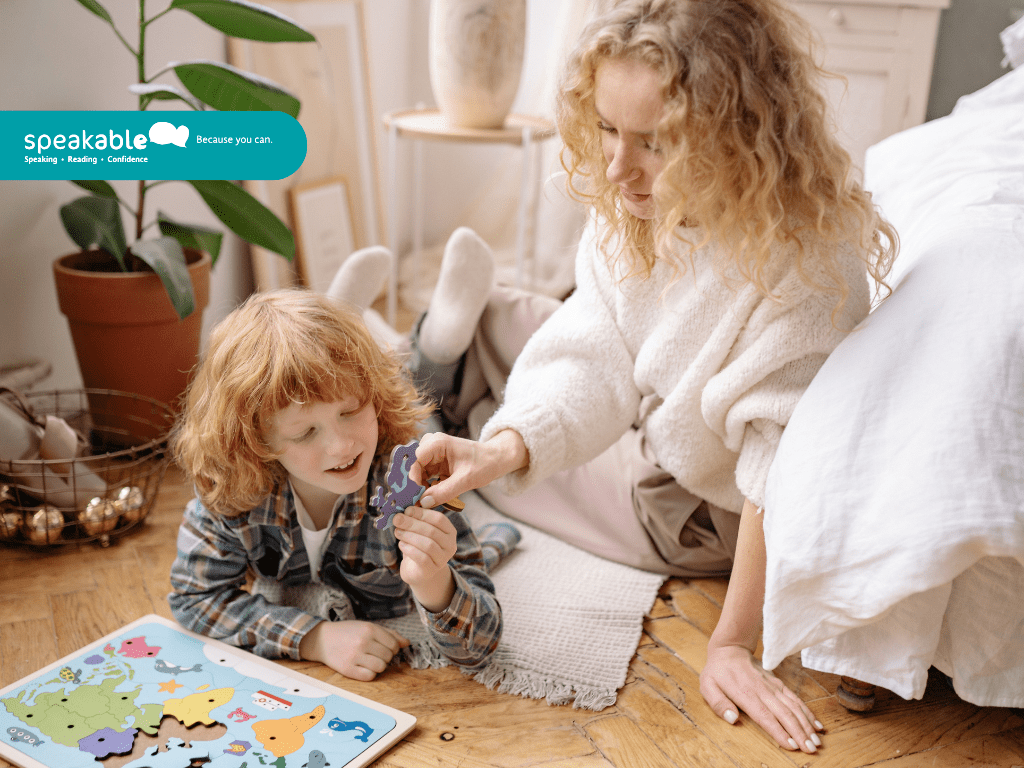
You don’t need special materials to support expressive language.
Small changes can make a big difference:
Model language
Expand what your child says.
Child: “car”
You: “Yes, a red car!”
Give time to respond
Pause and wait — processing takes time.
Offer choices
“Do you want apple or banana?”
This encourages verbal responses.
Follow your child’s interests
Language grows faster when children are engaged.
Reduce pressure
Communication should feel safe, not tested.
💛 Confidence Comes Before Complexity
When children feel confident expressing themselves, language grows more naturally.
The goal isn’t perfect sentences.
It’s helping children feel:
- understood
- capable
- willing to try
Because communication is not just about words —
it’s about connection.
🌱 Final Thoughts
Expressive language develops over time.
With the right support, children can move from:
👉 pointing → to words
👉 words → to sentences
👉 sentences → to sharing ideas confidently
Speech pathology helps make that journey clearer, calmer, and more achievable.