Why Kids Struggle With Writing — And How Speech Pathology Helps
Understanding the language skills behind writing.
Writing Is More Than Spelling
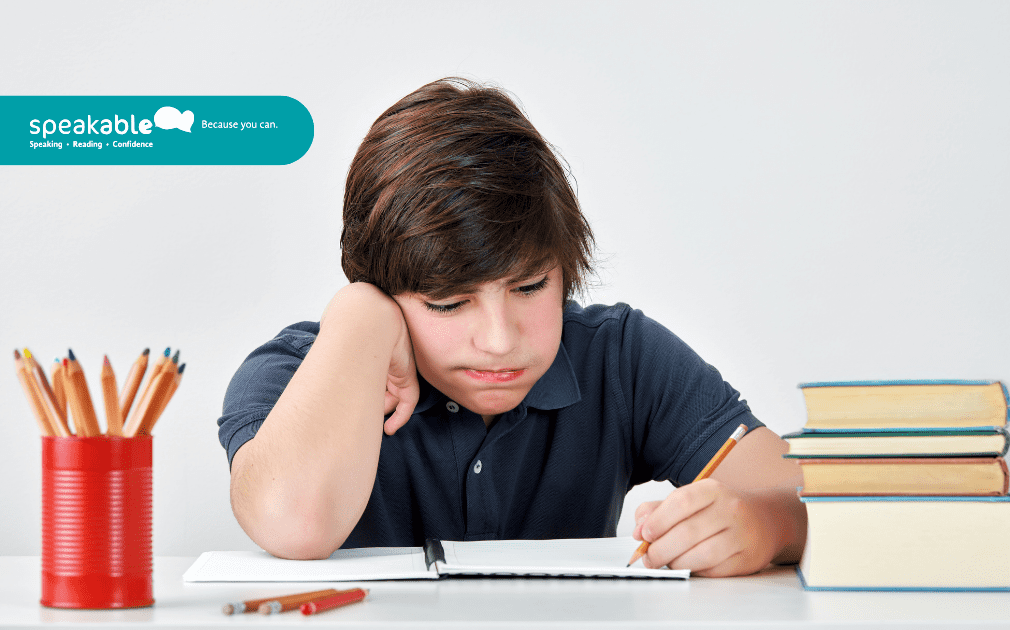
When children struggle with writing, it’s common to think the problem is spelling or handwriting.
But writing is actually one of the most complex learning tasks children face at school.
To write even a short paragraph, a child needs to:
- Organise ideas
- Choose the right words
- Build sentences
- Remember spelling patterns
- Hold ideas in memory while writing
- Plan what comes next
That’s a lot for a developing brain to manage at the same time.
For many children, writing feels difficult not because they aren’t trying — but because so many language skills are working together at once.
The Language Skills Behind Writing
Writing doesn’t start with a pencil.
It starts with language.
Before children can organise ideas on paper, they first learn to organise them through speaking.
Strong writing often depends on:
- Vocabulary knowledge
- Sentence structure
- Story organisation
- Working memory
- Understanding how ideas connect
When these language skills are still developing, writing can feel slow, frustrating, or overwhelming.
What research shows
Research in literacy development shows that oral language skills — such as vocabulary, sentence structure, and narrative abilities — play an important role in writing development (Berninger et al., 2002; Hulme & Snowling, 2013).
Children who find it difficult to organise ideas verbally often experience similar challenges when writing.
In simple terms
If it’s hard for a child to explain something out loud, it will usually feel even harder to write it down.
That’s why writing support often starts by strengthening spoken language.
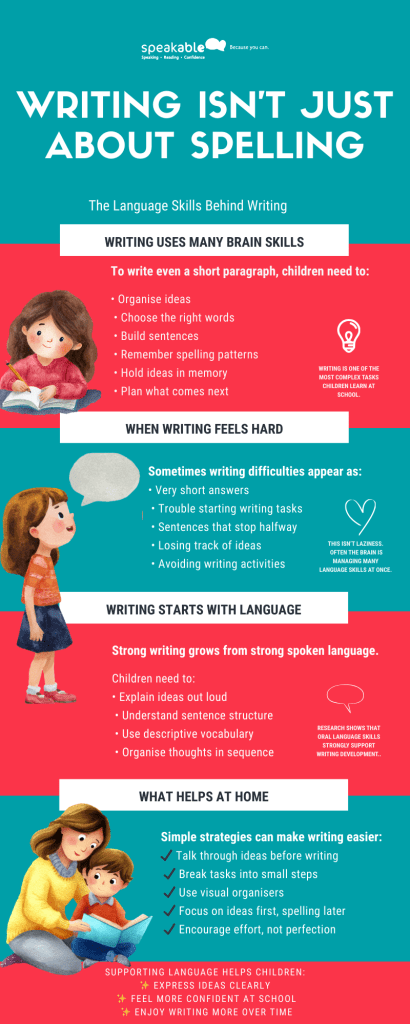
📊 Infographic — The Hidden Skills Behind Writing
This infographic highlights the different thinking and language skills children use when writing, including planning ideas, building sentences, and organising information.
It also shows practical ways parents can support writing at home.
What Writing Difficulties Can Look Like
Writing challenges don’t always appear as obvious spelling problems.
Parents and teachers might notice patterns like these:
| What you might notice | What it may reflect |
|---|---|
| Very short answers | Difficulty expanding ideas |
| Trouble starting writing tasks | Difficulty organising thoughts |
| Sentences that stop halfway | Challenges with sentence structure |
| Losing track of ideas mid-sentence | Working memory overload |
| Avoiding writing tasks | Frustration or cognitive effort |
💛 Important reminder:
These behaviours are not signs of laziness.
Often, the brain is simply managing many language and planning skills at the same time.
How Speech Pathology Supports Writing
Speech pathologists support writing by strengthening the language skills that make writing possible.
Support may focus on:
- Expanding vocabulary
- Building stronger sentence structures
- Practising storytelling and narrative skills
- Helping children organise ideas before writing
- Teaching strategies to plan and structure written work
Instead of focusing only on the finished text, speech pathology helps children build the thinking and language processes behind writing.
Simple Ways to Support Writing at Home
Small changes can make writing feel more manageable for children.
Talk before writing
Let children explain their ideas out loud before they start writing.
Break writing into steps
Idea → sentence → paragraph.
Use visual organisers
Planning ideas visually helps reduce cognitive overload.
Focus on ideas first
Spelling and grammar can be edited later.
Encourage effort
Writing improves with practice and confidence.

Supporting Writing Confidence
Children who struggle with writing often have strong ideas — they just need support organising and expressing them.
The goal isn’t to change how children think.
It’s to help them communicate their ideas in ways that feel manageable and fair.
When children receive the right language support, writing often becomes less overwhelming and much more achievable.
Final Thoughts
Writing isn’t just a school task.
It’s a way for children to share ideas, tell stories, and communicate what matters to them.
By supporting the language behind writing, we help children feel more confident — not just in the classroom, but in how they express themselves.