The Language of Friendship: How Communication Shapes Social Confidence
Helping children connect, belong, and feel understood.
💬 Friendship Starts with Words — Even the Small Ones
When parents think about friendship, they often think about confidence, kindness, or personality.
But underneath all of that sits something quieter — and powerful: communication.
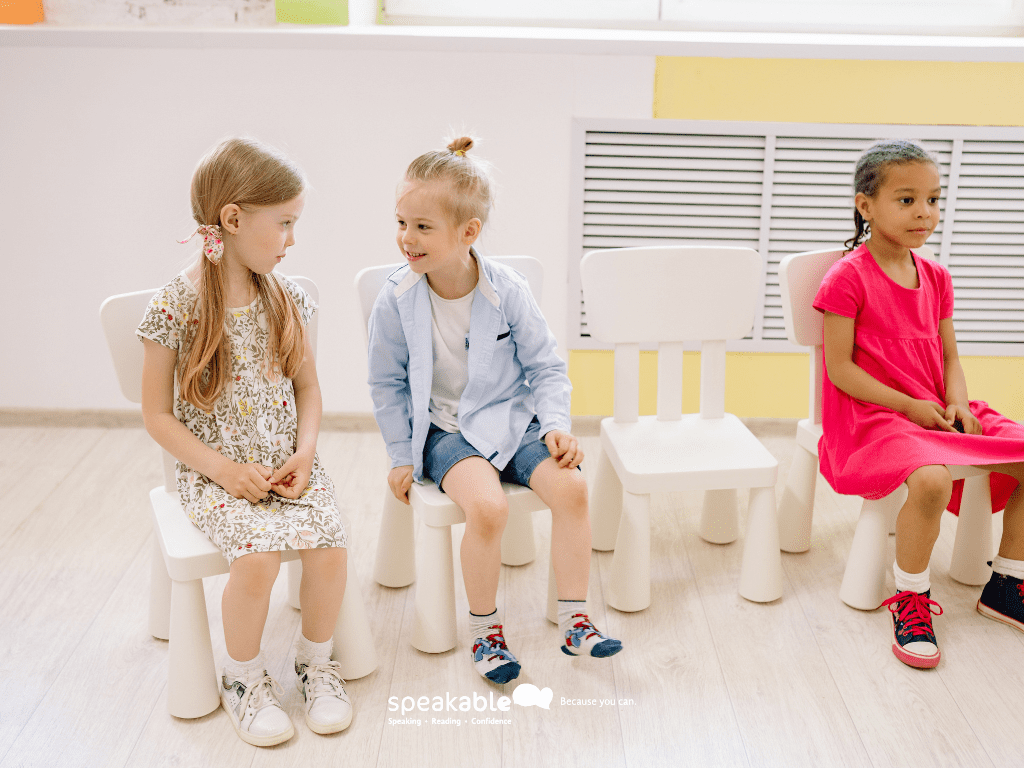
Some children deeply want friends but struggle to:
- Start a conversation
- Join a group
- Stay on topic
- Read social cues
- Know when to speak — or when to listen
This doesn’t mean they lack interest in connection.
It often means they need support with the language that friendships rely on.
🧠 Why Communication Shapes Social Confidence
Friendship depends on more than shared interests. It depends on:
- Understanding others
- Expressing ideas clearly
- Interpreting tone and body language
- Repairing misunderstandings
- Managing emotions during interaction
When communication feels effortful, social confidence can shrink.
Guidance from the Victorian Government highlights that language difficulties can affect how students participate in learning and social interactions — sometimes appearing as withdrawal, frustration, or hesitation in group settings.
👉 https://www.vic.gov.au/supporting-students-language-difficulties
Children who struggle socially are not “awkward” or “shy by choice.”
They may simply be working harder to decode conversations in real time.
🧩 What Social Communication Challenges Can Look Like
Social language differences don’t always look obvious. They often appear as subtle patterns.
| What you might notice | What could be happening |
|---|---|
| Stays quiet in groups | Processing time needed |
| Talks only about one topic | Difficulty shifting topics |
| Interrupts frequently | Trouble reading turn-taking cues |
| Walks away from play | Overwhelm or uncertainty |
| Gets upset during games | Difficulty with flexible thinking |
💛 Important reminder:
Social skills are learned — not automatic.
Just like reading or writing, conversation skills develop over time with guidance and practice.
🏡 How to Support the Language of Friendship at Home
Social confidence grows in safe spaces first.
Here are practical ways to support it:
1️⃣ Practise simple conversation starters
Teach short, manageable phrases:
- “Can I play?”
- “What are you building?”
- “Do you want to join?”
2️⃣ Model turn-taking
Use everyday conversations to show:
- Listening
- Waiting
- Asking follow-up questions
You can even narrate:
“Now it’s your turn to talk.”
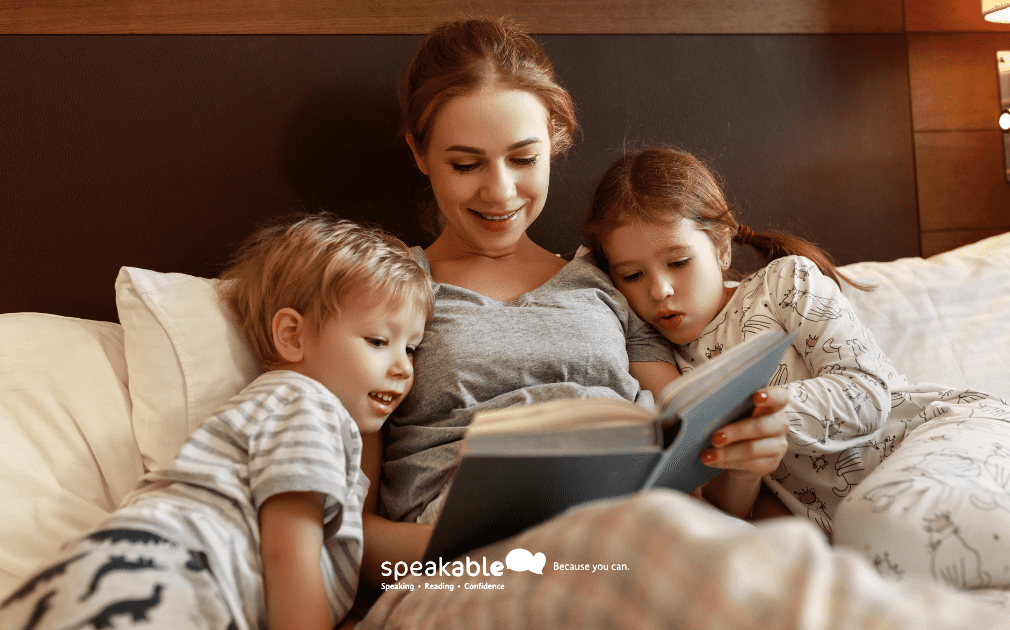
3️⃣ Talk about feelings during stories
Pause and ask:
- “How do you think they felt?”
- “Why did that upset them?”
This builds perspective-taking.
4️⃣ Prepare before social situations
Before a playdate or birthday party, talk through:
- Who will be there
- What games might happen
- One idea for starting a conversation
Preparation reduces uncertainty.

💛 A Strengths-Based Perspective
Children who find social communication challenging often have wonderful strengths:
- Deep interests
- Honest communication
- Loyalty
- Creative thinking
- Sensitivity to fairness
The goal is not to change a child’s personality.
It is to give them tools that make connection feel safer and more accessible.
When children understand how conversations work, confidence grows naturally.
🌱 Confidence Comes from Feeling Capable
Friendship isn’t about being the loudest child in the room.
It’s about feeling able to join in.
When communication feels manageable:
- Anxiety decreases
- Participation increases
- Belonging becomes possible
If you’re noticing social hesitation, that’s not a failure.
It’s information — and information helps us support growth.
Small, consistent support at home can make playground conversations feel much lighter.