
Starting the School Year Strong: How Communication Sets the Tone for Learning
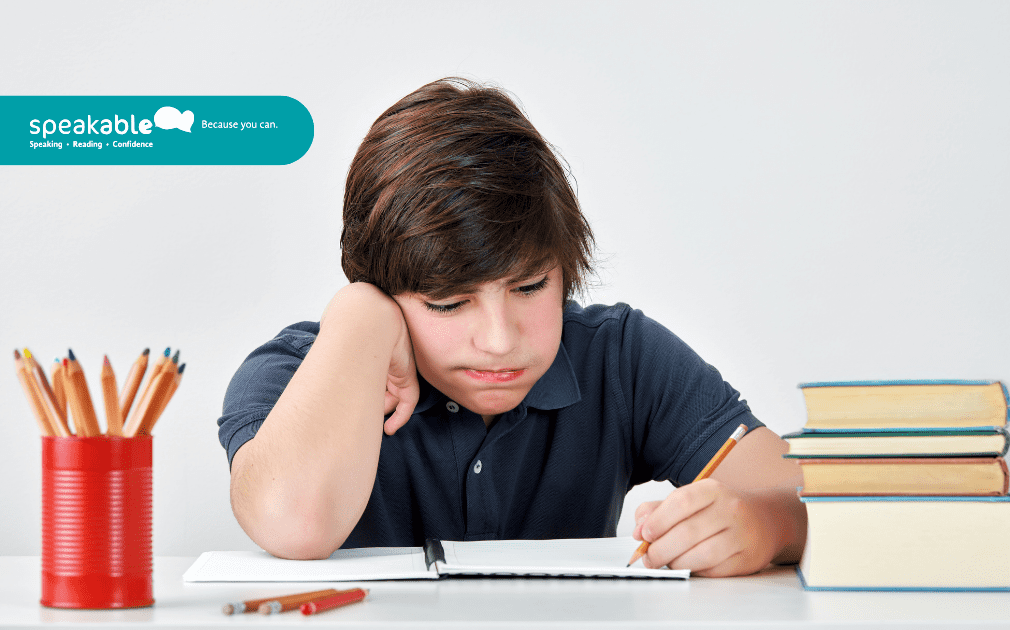
Starting a new school year can feel exciting — but also tiring and overwhelming — for many children.
When challenges show up at school, it’s common to think about behaviour, attention, or motivation.
But very often, what sits underneath school stress is something simpler (and deeper): communication.
When a child finds it hard to understand instructions, express how they feel, or cope with changes, school can quickly feel confusing and exhausting.
The good news is that small communication supports at home can make a big difference.
5 Communication Skills That Make School Mornings Easier
Below are five essential communication skills that help children feel calmer in the mornings and more confident throughout the school day.
These skills don’t need to be “taught” like a lesson.
They grow naturally through everyday interactions and small changes in how we communicate.
1. Understanding Instructions
Using the Tower of Hanoi as a model
Many children don’t struggle because they “don’t want to listen”, but because they can’t hold multiple instructions in mind at the same time.
A helpful way to understand this is through the Tower of Hanoi, a classic problem-solving task created by Édouard Lucas and widely used in child development and psychology.
This task shows how the brain needs to:
- Hold instructions in memory
- Follow steps in the correct order
- Inhibit impulsive actions
- Stay focused until the task is finished
When too many instructions are given at once, this system can become overloaded.
From theory to your home:
Holding instructions
Instead of:
“Put your bag away, wash your hands, change your clothes and sit at the table.”
Try:
“Put your bag away.” (pause)
“Now wash your hands.”
Following steps in order
Use predictable sequences:
“First brush your teeth, then put on your pyjamas.”
Inhibiting impulsive actions
Slow things down before correcting:
“Wait a moment… let’s think together.”
Staying focused until completion
Break big tasks into smaller, manageable steps.
👉 Learn more about the Tower of Hanoi here:
https://www.britannica.com/topic/Tower-of-Hanoi
2. Expressing Needs
Plutchik’s Wheel of Emotions
When children can’t say what they need, their bodies often speak for them — through tears, withdrawal, frustration, or big reactions.
Plutchik’s Wheel of Emotions helps us understand that emotions:
- Vary in intensity
- Often come in layers
- Need language to be regulated
Without emotional language, feelings often turn into behaviour.
From theory to your home:
- Name emotions before asking questions
“That looks frustrating.” - Offer simple emotion words
“Are you feeling angry or tired?” - Accept gestures or few words as valid communication
👉 Learn more about Plutchik’s Wheel of Emotions:
https://www.6seconds.org/2022/03/13/plutchik-wheel-emotions/
3. Asking for Help
Vygotsky’s Sociocultural Theory
Some children don’t ask for help not because they don’t need it, but because they don’t know how to ask.
According to Vygotsky, children learn through interaction with others.
He described learning as something that happens with support before it happens independently.
Asking for help is part of that learning process.
From theory to your home:
- Model asking for help out loud
“I’m going to ask for help because this is tricky.” - Practise in everyday situations
Opening a jar, building a toy, getting dressed. - Praise the attempt
“I like how you asked for help.”
Asking for help is a learned skill — not a weakness.
👉 Learn more about Vygotsky’s theory here:
https://www.simplypsychology.org/vygotsky.html
4. Starting Social Interactions
Learning through connection (Vygotsky)
Wanting to play doesn’t always mean knowing how to start.
Social communication develops through real, shared experiences, not memorised scripts.
Some children need:
- Time
- Safety
- Gentle modelling
From theory to your home:
- Teach one short phrase
“Can I play?” - Practise brief role-plays at home
- Avoid forcing eye contact or “perfect” responses
Connection comes before performance.
5. Managing Changes and Transitions
Attachment Theory
School changes are not only practical — they are emotional.
Attachment Theory shows that children cope better with change when they feel safe, connected, and understood.
New classrooms, teachers, and routines can activate insecurity, even in confident children.
From theory to your home:
- Talk about changes ahead of time
“Tomorrow you’ll be in a new classroom.” - Use predictable language
“First school, then home.” - Reassure connection
“I’ll come back to pick you up.”
👉 Learn more about Attachment Theory:
https://www.verywellmind.com/what-is-attachment-theory-2795337
Starting School Isn’t About Being “Ready”
Every child starts the school year in their own way.
Supporting communication isn’t about fixing, correcting, or rushing.
It’s about helping children feel safe, understood, and confident.
Small adjustments at home can make school feel much lighter.
You don’t need to do everything at once.
Small changes in how we communicate can create big shifts in how children experience school.