Listening Through Stories: Why Storytime Builds Communication
How everyday stories strengthen focus, language, and connection.
💬 Why Stories Build More Than Imagination
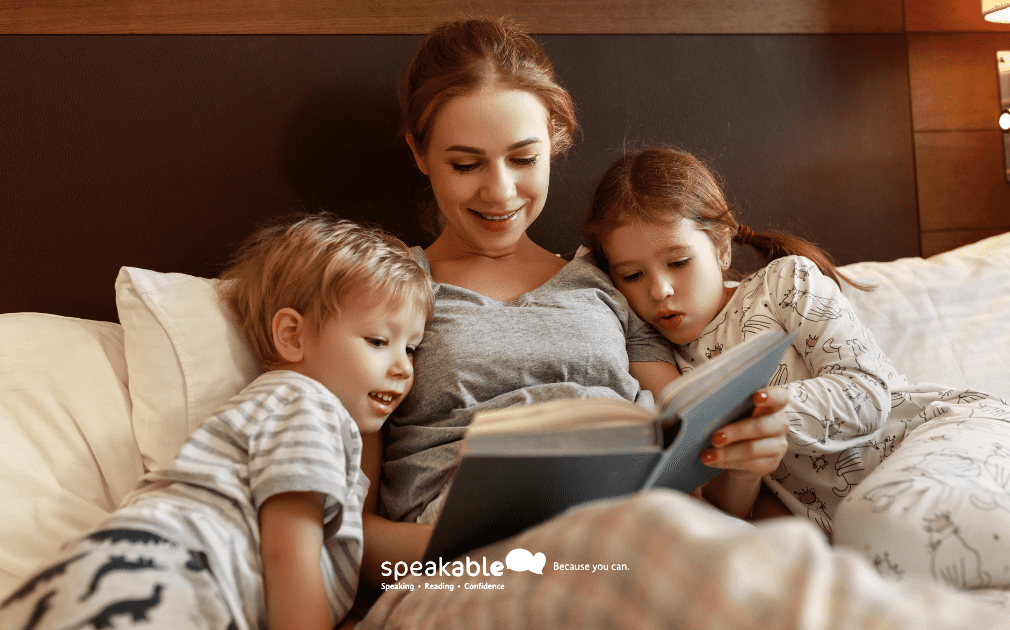
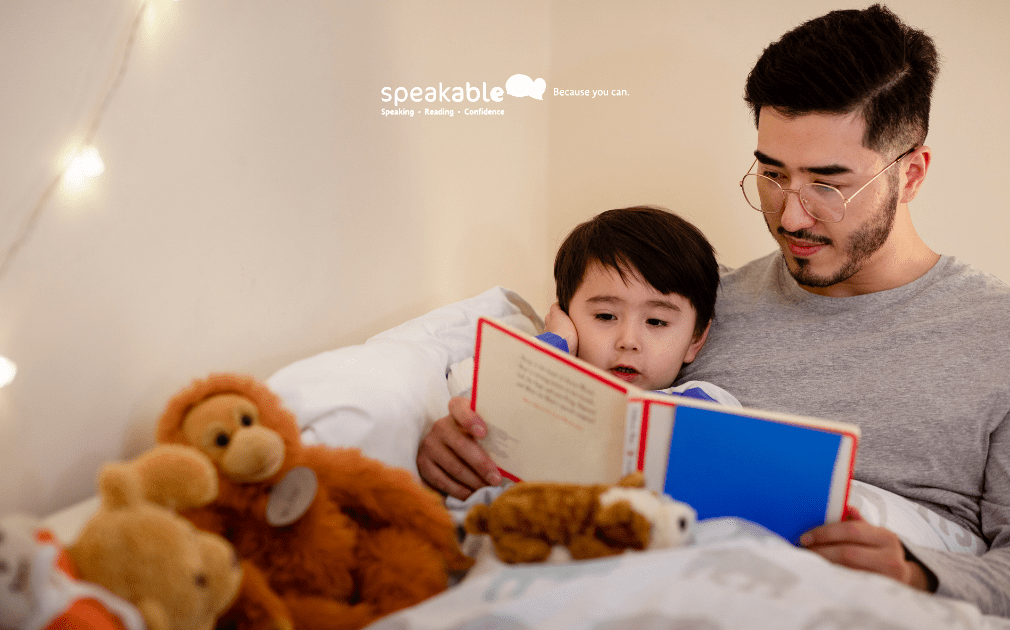
When you read to a child, you’re doing more than sharing a story,
you’re helping them learn to listen, focus, imagine, and understand emotions.
Storytime is one of the most powerful tools for building communication because it brings together:
🧠 language,
❤️ emotion,
👂 and connection.
Children who listen to stories regularly develop:
- stronger vocabulary and sentence skills,
- better memory and comprehension,
- empathy through understanding others’ feelings,
- and longer attention spans.
💛 Listening grows when stories are shared with love and patience.
🌈 How Storytelling Strengthens Listening Skills
Stories give children a reason to listen — they want to know what happens next!
When we read aloud, children learn to:
- follow sequences (“First the bear went into the cave…”)
- predict outcomes (“What do you think will happen now?”)
- connect sounds to meaning (“The rain goes pitter patter!”)
- and tune in for longer periods.
💬 Every story told together is a mini listening workout — but it feels like play.
📚 Storytime Ideas for Better Communication
Here are some simple ways to make stories come alive — no fancy books needed!
| Type of Story | Example | Listening Skill Focus |
|---|---|---|
| Repetitive stories | “Brown Bear, Brown Bear” or “The Very Hungry Caterpillar” | Anticipation and memory |
| Action stories | “We’re Going on a Bear Hunt” | Sequencing and rhythm |
| Emotion stories | “The Color Monster” or “When I’m Feeling…” | Naming and understanding emotions |
| Interactive stories | “Press Here” or “Don’t Push the Button” | Following directions and attention |
| Everyday stories | Tell real-life events from your day | Perspective and conversational turn-taking |
💛 Familiar stories = safe learning. Repetition helps children predict, participate, and enjoy the rhythm of language.
👂 Active Listening Made Fun
Children learn to listen by doing.
Here’s a simple Active Listening Chart to use during storytime, it helps you notice and encourage listening skills naturally:
| Listening Skill | What It Looks Like | How to Encourage It |
|---|---|---|
| 👀 Looking | Eyes on the book or speaker | “Let’s see what happens on this page!” |
| 👂 Hearing | Reacts to changes in voice or sound | Use whisper or surprise tones to keep attention |
| 💭 Thinking | Predicts or comments on story events | “What do you think will happen next?” |
| 💬 Responding | Answers simple questions | “Who do you think feels happy here?” |
| 🤗 Connecting | Links story to own life | “Have you ever felt like that character?” |
✨ Each small moment of listening builds attention, empathy, and understanding.
Storytime is one of the simplest and most powerful ways to build communication.
It trains attention, grows empathy, and turns listening into a joyful habit.
When you slow down and share a story, you’re not just reading,
you’re helping your child’s mind and heart learn to listen.
💬 Because every “once upon a time” grows language for a lifetime.