Late Talkers: What’s Normal and When to Seek Help
Understanding language milestones without the myths or the panic.
💬 Why Some Children Talk Later Than Others
Every child develops at their own pace, especially when it comes to language.
It’s common for parents to compare milestones (“My niece was talking by two!”), but speech and language skills depend on many factors:
✅ genetics,
✅ personality,
✅ exposure to conversation,
✅ hearing ability,
✅ and developmental differences.
Some children, often called “late talkers”, may start speaking later but catch up naturally.
Others may need a little extra support to help communication grow.
💛 The key is to notice patterns, not panic.
🧠 Understanding “Late Talking”
A late talker is usually a child aged 18–30 months who understands more than they can say, and has no other developmental concerns.
They might:
- use fewer than 50 words by age 2,
- or not yet combine two words like “more juice” or “mummy go.”
That alone doesn’t always mean a problem, but it’s a sign to keep an eye on progress.
🧩 Receptive language (understanding) often develops before expressive language (speaking).
If your child understands instructions like “get your shoes” or “wave bye-bye,” they’re already building the foundation for speech.
🚫 Common Myths About Late Talking
| Myth | Truth |
|---|---|
| “Boys just talk later.” | While boys may develop slightly later, a large gap isn’t typical and shouldn’t be ignored. |
| “They’ll talk when they’re ready.” | Some do — but many need targeted language input to get started. Waiting too long can delay progress. |
| “Two languages confuse kids.” | Bilingualism doesn’t cause delay! Children can learn both if given consistent exposure. |
| “He doesn’t talk, but he’s smart — so it’s fine.” | Intelligence and speech are separate skills. Support early to help communication match understanding. |
| “It’s just a phase.” | Maybe — but early support never hurts. Waiting rarely helps. |
💬 Early action is reassurance, not alarm.
⚠️ When to Seek Support
You know your child best. Trust your instincts if something feels “off.”
Here are some red flags that suggest it’s time to check in with a speech pathologist:
| Age | Possible Concern |
|---|---|
| By 12 months | Not babbling or using gestures (like pointing or waving) |
| By 18 months | Not saying at least 10 words |
| By 24 months | Using fewer than 50 words or not combining two words |
| Any age | Doesn’t respond to name, limited eye contact, or frustration when trying to communicate |
🧡 Getting help early doesn’t label your child — it empowers them (and you) with tools and confidence.
💡 How Parents Can Support Speech at Home
You don’t need flashcards or apps — just presence and play.
Try these simple ideas:
- 🗣️ Talk through routines: “We’re putting on socks — one, two!”
- 🎶 Use songs and rhymes: Repetition builds memory and rhythm.
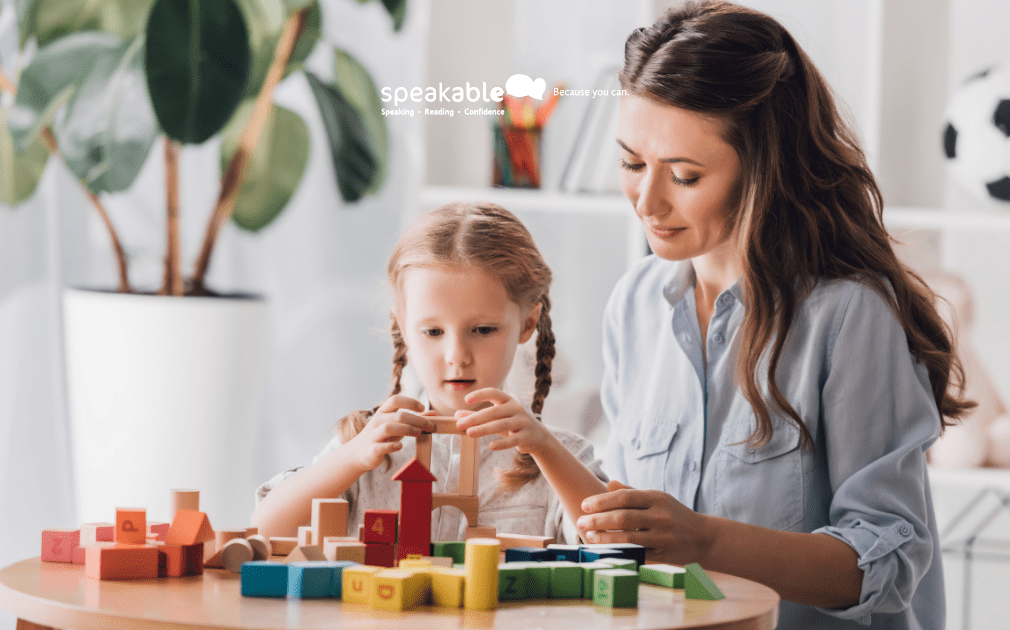
- 👀 Follow their lead: Name what they’re looking at or doing.
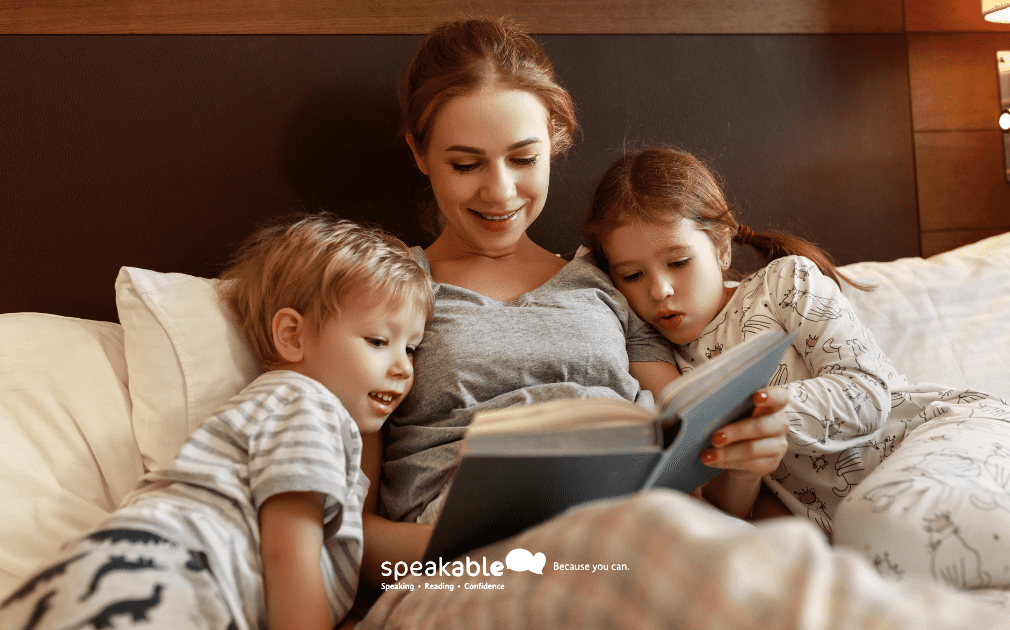
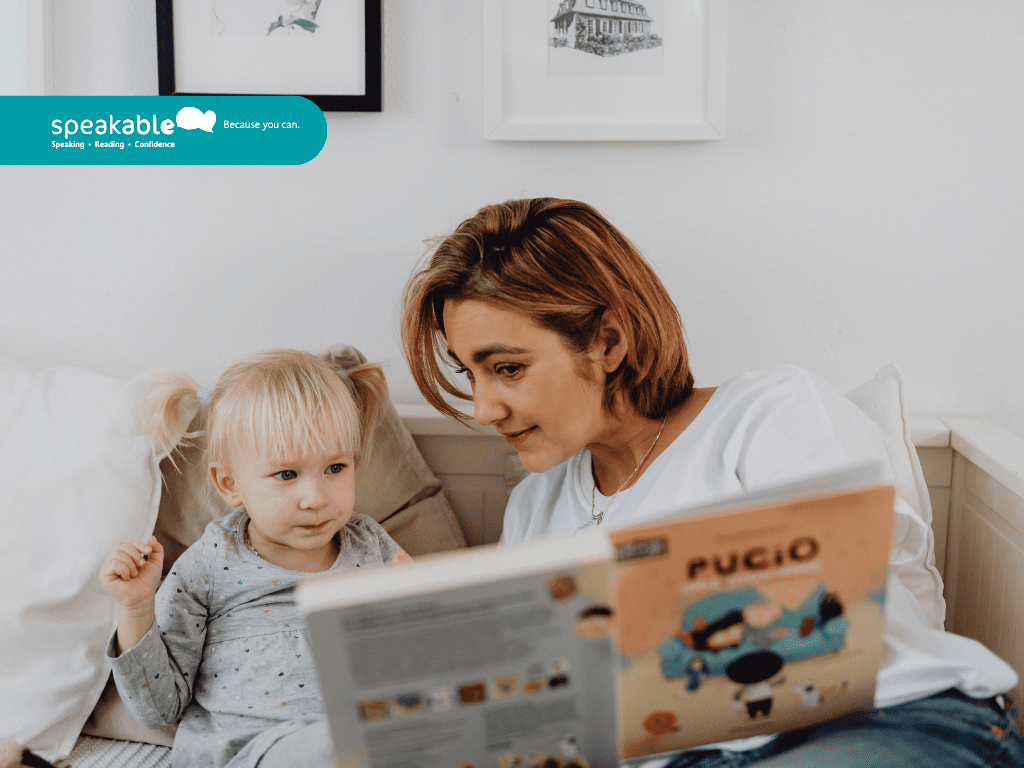
- 📚 Read daily: Even 10 minutes of shared books grows vocabulary.
- 💛 Respond to all attempts: Treat gestures and sounds as communication — it shows them language has power.
💬 Remember: Early Support = Stronger Communication
Reaching out for guidance doesn’t mean something is “wrong.”
It means you’re tuning in early — which gives your child the best chance to thrive.
💛 Speech therapy isn’t about fixing words, it’s about opening doors to connection.
If you’re unsure, it’s always okay to ask. A quick chat with a speech pathologist can give you clarity, reassurance, and simple strategies to try at home.