📚 Why Early Term Reading Habits Make a Big Difference
Building confidence, connection, and stronger language — one small routine at a time.
💬 It’s Not About Reading More — It’s About Reading Consistently
At the start of a new school term, families focus on schedules, homework, and routines.
Reading can quickly feel like just another task.
But early term reading habits aren’t about pressure or performance.
They’re about creating a steady rhythm — one that quietly supports your child all year long.
A few minutes a day at the beginning of term can make learning feel lighter later on.
🧠 Reading Supports More Than Just “Reading”
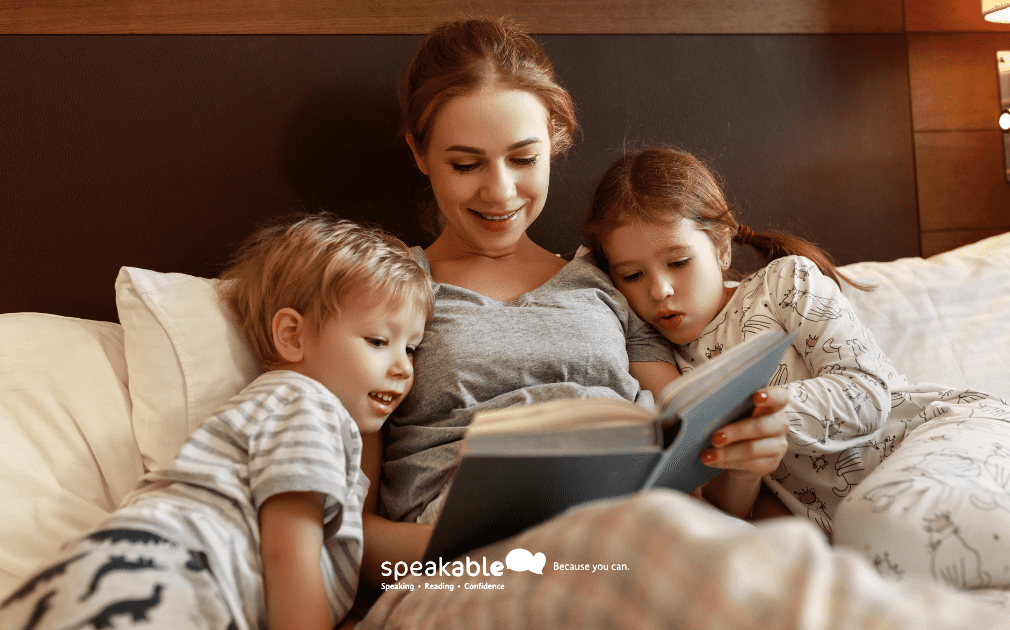
When we read with children, we’re not only helping them learn to decode words.
We’re helping them:
- Build vocabulary
- Understand longer sentences
- Make sense of stories
- Improve listening skills
- Strengthen attention
- Talk about feelings and ideas
🔬 What research shows
Long-term studies have found that children with stronger vocabulary and language understanding in the early school years are more likely to become confident readers later on (Nation & Snowling, 2004; Roth et al., 2002).
Researchers often explain that reading success depends not just on sounding out words, but on understanding what those words mean.
💬 In simple terms:
Reading at home doesn’t just teach children to “read words.”
It helps them understand language better — and understanding makes school easier.
It helps children:
- Follow instructions
- Understand maths problems
- Join classroom discussions
- Feel more confident asking questions
🧩 Why Early in the Term Makes a Difference
The beginning of a school term sets patterns.
When reading becomes part of the routine early:
- It feels normal instead of forced
- It strengthens listening stamina
- It builds confidence before schoolwork becomes more demanding
- It reduces resistance later on
🔬 What research shows
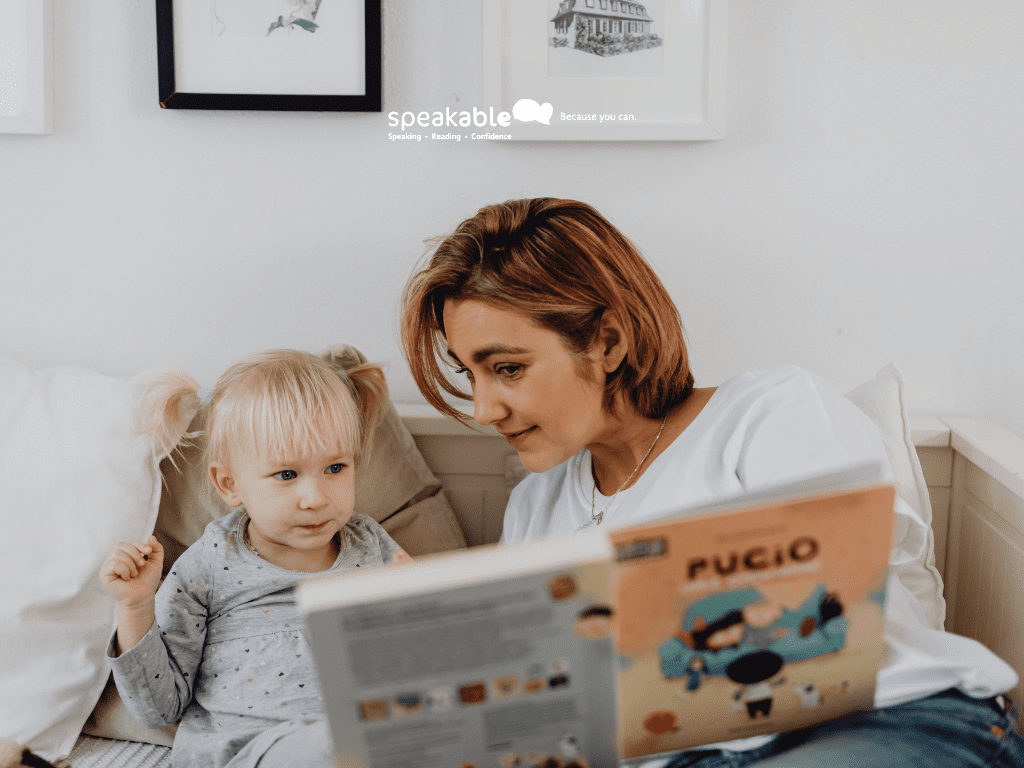
Research on shared book reading shows that children benefit most when reading happens regularly and interactively — especially when adults talk with children about the story, not just read it (Mol et al., 2008).
💬 In simple terms:
You don’t need long sessions.
A short, consistent routine builds momentum — and that momentum makes learning feel less overwhelming later.
If reading only starts when problems appear, it can feel corrective.
When it starts early, it feels natural.
🏡 What Makes Reading Time Powerful
It’s not about how fast your child reads.
It’s about how you read together.
Here’s what really helps:
1️⃣ Keep it short and consistent
Even 10 minutes a day can make a difference.
2️⃣ Talk about the story
Instead of testing, try wondering.
“Why do you think she did that?”
“What do you think will happen next?”
Conversation builds understanding.
3️⃣ Re-read favourite books
Children love repetition — and repetition builds confidence.
4️⃣ Connect stories to real life
“That happened to you at school too, didn’t it?”
This helps children link language to their own experiences.
5️⃣ Keep it warm, not pressured
Reading should feel safe — not like a performance.
Connection comes first. Skills grow from there.
💛 Reading Builds Emotional Confidence Too
Stories give children practice in:
- Understanding feelings
- Seeing different perspectives
- Solving social problems
- Predicting outcomes
When children understand stories better, they often understand the world around them more clearly too.
And when understanding grows, confidence grows with it.
🌱 Small Habits, Big Impact
You don’t need long sessions.
You don’t need complicated strategies.
You need:
- Consistency
- Conversation
- Connection
Early reading habits don’t just improve literacy.
They shape how children feel about learning.
And when children feel capable, everything else becomes easier.